Ingredient: magnesium glycinate
Magnesium glycinate in Flow Nerves: what studies tested and what to ask
Magnesium glycinate is the first of six ingredients Flow Nerves names, and the seller prints no amount for it. NIH sets the upper intake from supplements and medicines at 350 mg a day, a reference level, not a label dose. We found no human trial of glycinate for nerve symptoms. Kidney disease and some medicines call for a pharmacist first.
Written by the Flow Nerves label deskUpdated
On the bottle
What is magnesium glycinate in Flow Nerves?
Magnesium glycinate is a mineral bound to the amino acid glycine, and Flow Nerves lists it first among six named ingredients (Flow Nerves seller brief).
The seller puts all six in a proprietary blend and prints no milligram amount for any of them. We hold no Supplement Facts panel, so we cannot say how much magnesium a capsule has. The seller's order of names is not a ranking by amount. Flow Nerves is a capsule, not a gummy or a liquid.
| Name as the seller lists it | Magnesium Glycinate (named; milligrams not printed) |
|---|---|
| What it is | A mineral bound to the amino acid glycine; the seller names it and prints no amount |
| What it is sold for | A named mineral |
| Amount printed | amount not printed |
| Amount used in research | NIH fact sheet; a Cochrane review of magnesium for cramps (11 trials, 735 people); a narrative review on diabetic neuropathy; a mouse study |
| What the studies found | NIH sets the tolerable upper intake for magnesium from supplements and medicines at 350 mg a day and says high supplement doses can cause diarrhea, nausea and abdominal cramping. Its sheet does not discuss neuropathy and does not mention glycinate. A Cochrane review of 11 randomized trials (735 people) found magnesium did not clearly help cramps in older adults with idiopathic cramps. A 2025 narrative review of magnesium and diabetic neuropathy describes conflicting results and a link between magnesium depletion and neuropathy, without doses. The one comparison of magnesium forms we read was in mice, not people. The amount in Flow Nerves is not printed. |
| Main caution | NIH says magnesium can reduce absorption of bisphosphonates and of tetracycline and quinolone antibiotics, that some diuretics and long-term acid reducers lower magnesium, and that toxicity risk rises with kidney disease. Ask a pharmacist. |

What studies tested
Does magnesium glycinate help nerves?
We found no source that shows it does. We found no human trial of magnesium glycinate for nerve symptoms, and no randomized trial of any magnesium form in neuropathy.
A 2020 Cochrane review pooled 11 randomized trials with 735 people. For idiopathic cramps in older adults, magnesium gave no clinically meaningful benefit, and 11% to 37% reported stomach effects. Results for cramps in pregnancy were conflicting (Garrison 2020, magnesium for cramps (Cochrane)).
A 2025 narrative review of magnesium and diabetic neuropathy describes conflicting results and a link between magnesium depletion and neuropathy. It gives no doses and is not a trial (Smithiseth 2025, magnesium and diabetic neuropathy). The one comparison of magnesium forms that we read measured tissue levels in mice, so it says nothing about glycinate in people (Ates 2019, magnesium compounds in mice).
The NIH fact sheet does not discuss glycinate or neuropathy (NIH ODS, Magnesium). No trial tested Flow Nerves.
Amounts
How much magnesium is in Flow Nerves compared with 350 mg?
We cannot tell, because no magnesium amount is printed, and 350 mg is a reference level and not a label dose.
NIH sets the tolerable upper intake for magnesium from supplements and medicines at 350 mg a day. Food magnesium is not counted in that limit. High supplement doses can cause diarrhea, nausea and abdominal cramping (NIH ODS, Magnesium). NIH's recommended intake from all sources is 400 to 420 mg for men and 310 to 320 mg for women aged 19 and over.
| Item | Amount |
|---|---|
| Flow Nerves label, magnesium glycinate | Not printed |
| NIH upper intake, supplements and medicines only | 350 mg a day |
| NIH recommended intake, food and supplements, adults 19+ | 310 to 420 mg a day, by sex |
| Studied dose in a nerve trial | None found |
Magnesium
Little17 of 100
We found no human trial of magnesium glycinate for nerve symptoms; a Cochrane review found no clinically meaningful cramp benefit in older adults. (NIH ODS, Magnesium)
Alpha lipoic acid
Mixed36 of 100
Trials were in people already diagnosed with diabetic neuropathy at about 600 to 1,800 mg a day; the 4-year trial missed its main goal. (Hsieh 2023, oral alpha-lipoic acid meta)
Butcher's broom
Little17 of 100
The evidence is about leg swelling and heaviness from veins; we found no trial of butcher's broom for nerve symptoms. (Vanscheidt 2002, butcher's broom trial)
L-carnitine
Little17 of 100
The neuropathy trials used acetyl-L-carnitine at 1,500 to 3,000 mg a day, and the Cochrane review rates the certainty very low. (NIH ODS, Carnitine)
Turmeric
Little17 of 100
The one randomized trial we read (40 mg of nanocurcumin twice a day for 16 weeks) found no difference in pain or neuropathy scores; LiverTox rates turmeric 'A' for liver injury cases. (NCCIH, Turmeric)
Coenzyme Q10
Very little6 of 100
MSK mentions one placebo-controlled trial that suggested less pain in diabetic neuropathy; we read no trial of our own, and the statin-pain meta-analysis found no benefit. (MSK, Coenzyme Q10)
Our reading of the sources, not a measurement. Each needle is an editor's judgment of how well human studies support the nerve-support line for that ingredient, at studied amounts. It does not rate Flow Nerves: no study tested the capsule or this six-ingredient blend.
Cautions
Is magnesium a concern with kidney disease or medicines?
Yes, it can be. NIH says the risk of magnesium toxicity rises with kidney disease, so ask a clinician first if your kidneys do not work well (NIH ODS, Magnesium).
The same sheet says magnesium can reduce the absorption of oral bisphosphonates (bone medicines) and of tetracycline and quinolone antibiotics, so doses may need to be spaced apart. Some diuretics and long-term acid reducers lower the body's magnesium. Ask a pharmacist about your own list, and do not stack other magnesium products on top without asking.
Keep taking prescribed medicine exactly as directed. Never stop or change a prescribed medicine because of a supplement. Pregnant or nursing, or under 18: ask a physician first.

Flow Nerves capsule: 30 a bottle1 capsule a day per the seller's FAQ · 2, 3 or 6 bottles · 2 bottles at $79 each · other prices at checkout
See the priceClaims vs evidence
What do the bottle's nerve words have to do with magnesium?
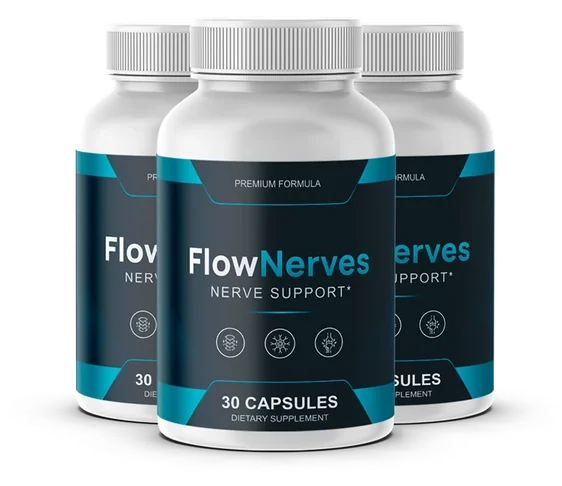
Nothing we could source. The bottle front prints "Nerve Support*", and we found no study that tested that claim on this capsule.
The sales copy speaks of "the nerve endings in your hands, feet, and legs". Numbness or tingling there has medical causes, such as diabetes, a vitamin B12 shortage, alcohol, some medicines and pressure on a nerve, and a clinician should look for the cause. Magnesium is not a test and does not find one. See when to see a clinician and the formula page.
More
Which other Flow Nerves ingredients should you read about?
Each ingredient page asks the same questions about amount, studies and cautions.
Ask for the bottle's Supplement Facts panel before you buy, and bring your medicine list to a pharmacist.
FAQ
Magnesium glycinate questions
Is magnesium glycinate in Flow Nerves above the 350 mg limit?
We cannot tell, because no magnesium amount is printed. NIH's 350 mg is an upper intake from supplements and medicines, not a label dose. Ask the seller for the Supplement Facts panel.
What is the difference between magnesium glycinate and other magnesium?
Glycinate is magnesium bound to glycine. The only comparison of magnesium forms we read was in mice, so we found no source showing glycinate differs in people.
Can magnesium cause diarrhea?
Yes. NIH says high supplement doses can cause diarrhea, nausea and abdominal cramping. In the Cochrane review of cramps, 11% to 37% of people reported stomach effects.
Does magnesium interact with antibiotics?
NIH says magnesium can reduce the absorption of tetracycline and quinolone antibiotics, so doses may need spacing. Ask a pharmacist about your own medicines before you add any supplement.
Who should be careful with magnesium supplements?
NIH says toxicity risk rises with kidney disease. People on bone medicines, diuretics or long-term acid reducers should also ask a pharmacist. Pregnant, nursing or under 18: ask a physician first.
Did a trial show magnesium helps cramps?
Not in older adults. A Cochrane review of 11 trials with 735 people found no clinically meaningful benefit for idiopathic cramps. Pregnancy-cramp results conflicted. No trial tested Flow Nerves.
Who wrote this
Written and reviewed by
Pages built from the bottle render, the seller's brief and linked NIH, FDA, CDC, FTC and peer-reviewed sources.
Last updated . Read our editorial standards and how we check reviews. This website is the information site of a licensed U.S. retail desk for Flow Nerves. It is not the manufacturer, and we have not been given the name of the maker. We earn money when you buy through our order links.
Keep reading
More about Flow Nerves



Licensed U.S. retail desk for Flow Nerves
Ready to look at Flow Nerves?
Check your medicines first, and ask a clinician or pharmacist if you take blood thinners, diabetes medicine or thyroid hormone. Then pick a pack: 2, 3 or 6 bottles of 30 capsules. The 2-bottle pack is listed at $79 a bottle; the other prices are shown at checkout. A 60-day satisfaction promise is listed, so confirm the live policy.
- Secure checkout on the seller's site
- 60-day satisfaction promise, per the seller
- Shipping shown at checkout